SIHBISHEH VILLA
About project
This project is located in the village of Siah Bisheh in the city of Mazandaran, Iran. Siah Bisheh village is situated in the Alborz mountain range in a mountainous region with cold and dry weather.
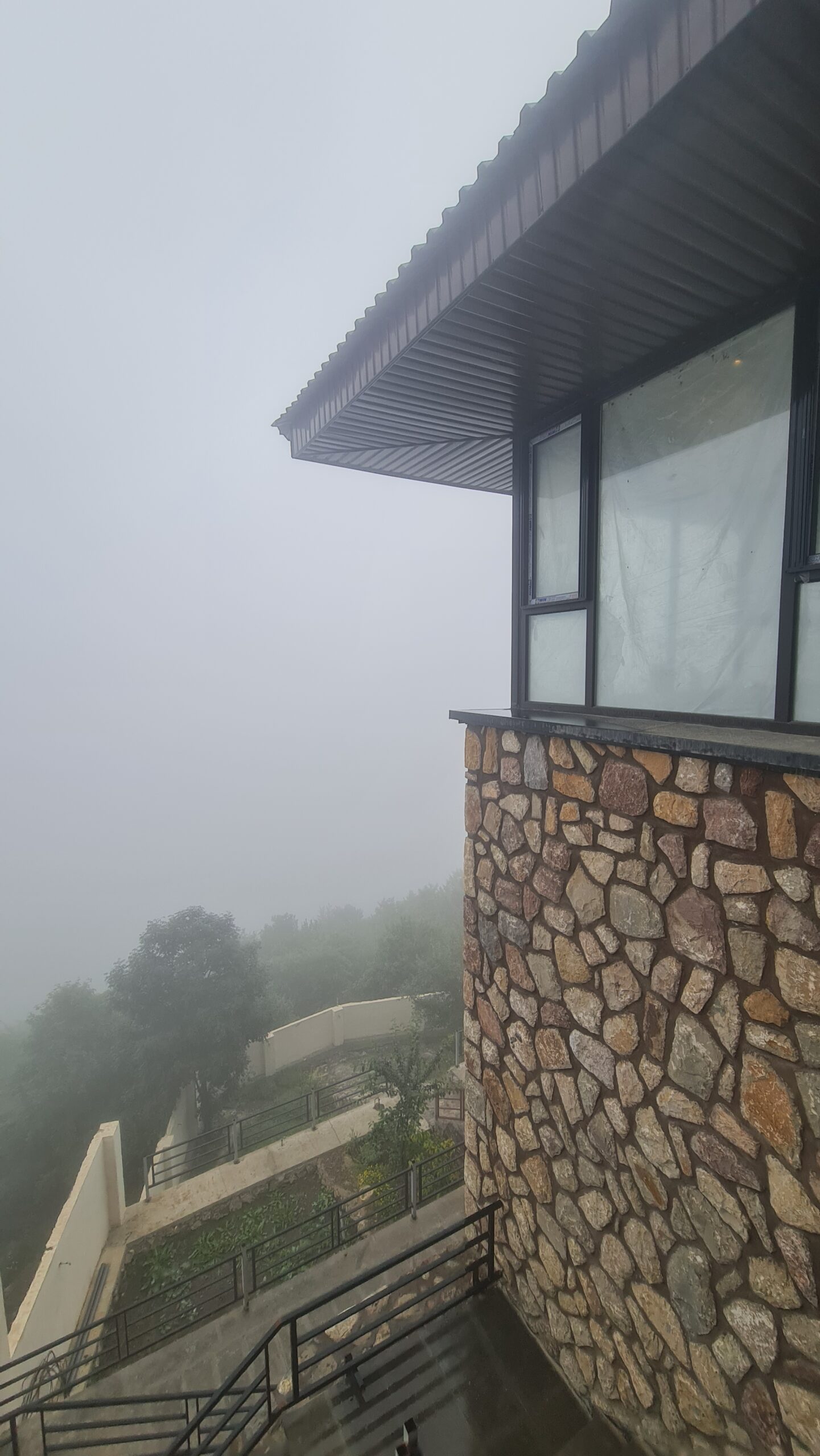
Due to the topographical conditions of the area, the site has a significant slope, ranging from street level to the end of the site, resulting in a height difference of twelve square meters, with only 26 meters of total elevation change (47% slope on the site).
From the beginning, the consensus was to make the structure stable and harmonious with the local climate, utilizing indigenous materials as much as possible. In my opinion, one of the best approaches to sustainable construction is to examine the houses built by the locals in the area. Over the years, the locals have reached optimal solutions through trial and error, considering the available materials and climatic conditions. It is essential to carefully study these patterns and adapt them to contemporary living conditions, as neglecting them is a common mistake made by many architects.
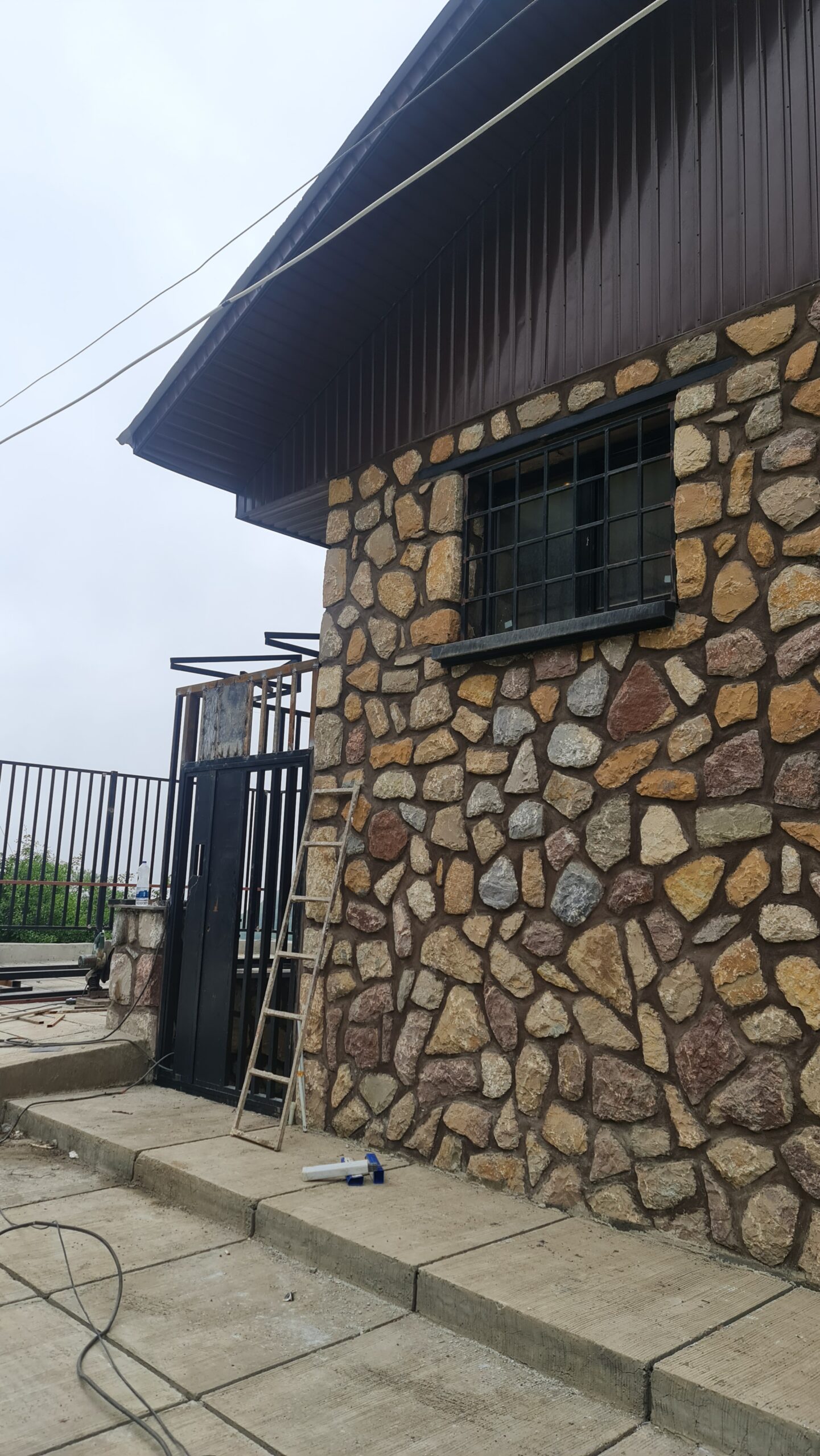
Therefore, we started examining old houses in the region and consulting with the village elders. We discovered that in the past, houses were constructed with local shale stones, which have excellent durability, easy access to materials, efficient heat retention, and good heat transfer properties (darker stones retain more heat during the day). Consequently, the decision was made to use local stones in this building.
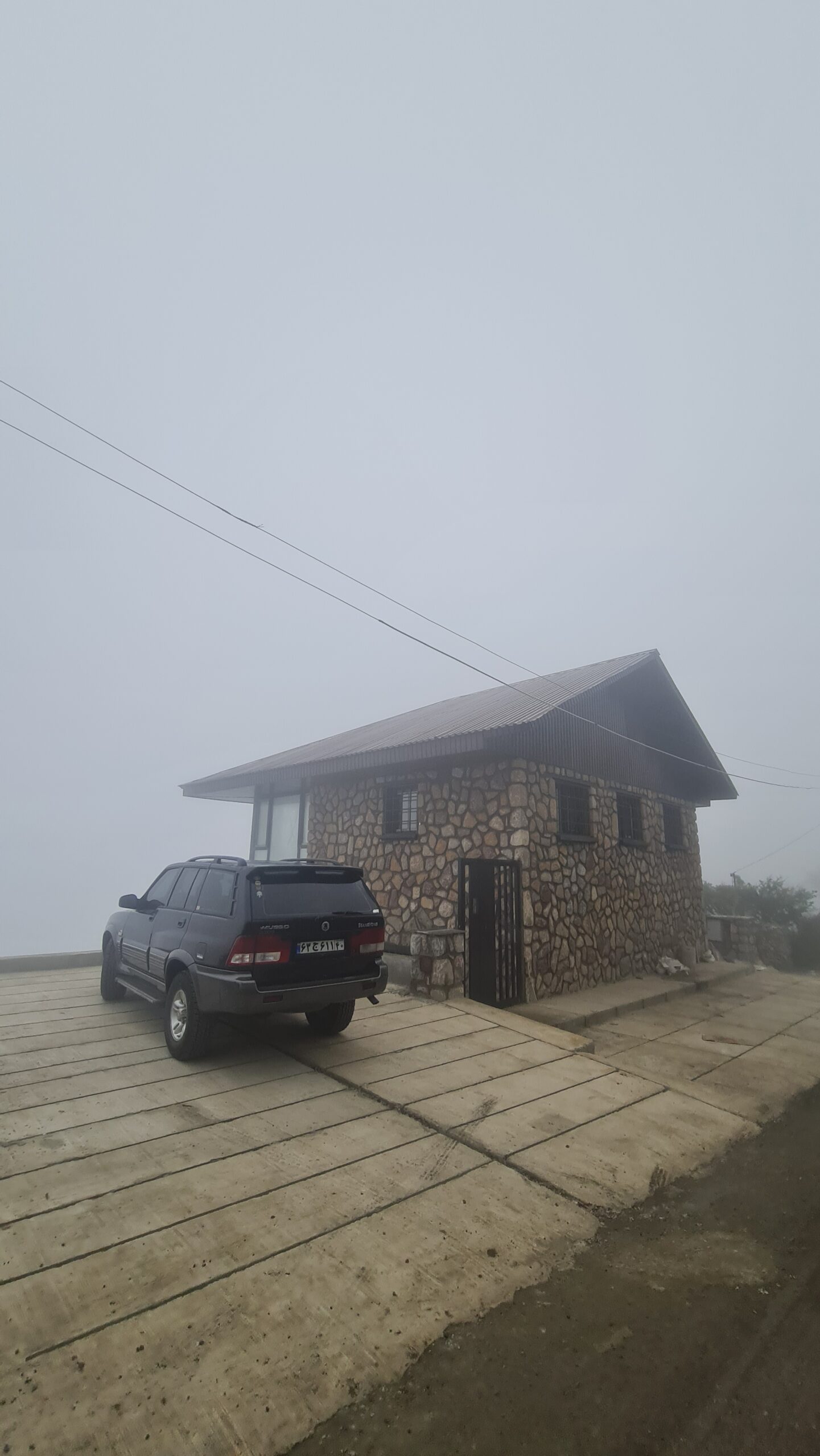
The design process began, and it was decided to terrify a portion of the site, constructing the building in three levels ascending from the street. Half of the middle floor is recessed into the ground, while the rest is elevated from the street level. The main entrance of the building is located on the middle floor to minimize the number of steps to reach the villa. Constructing with local materials posed several challenges. Firstly, the locals traditionally built on flat surfaces, secondly, their structures were single-story, and thirdly, the site had a risk of land sliding. Additionally, utilizing the thermal capacity of stone requires thick main walls, making the use of modern construction methods with columns and beams challenging due to the weight of the stone.
Considering these factors, it was decided to construct the building with load-bearing walls. The first level has a width of 80 centimeters, the second level 70 centimeters, and the last level 50 centimeters. To enhance the structural integrity, the walls were reinforced with iron mesh before casting each ceiling.
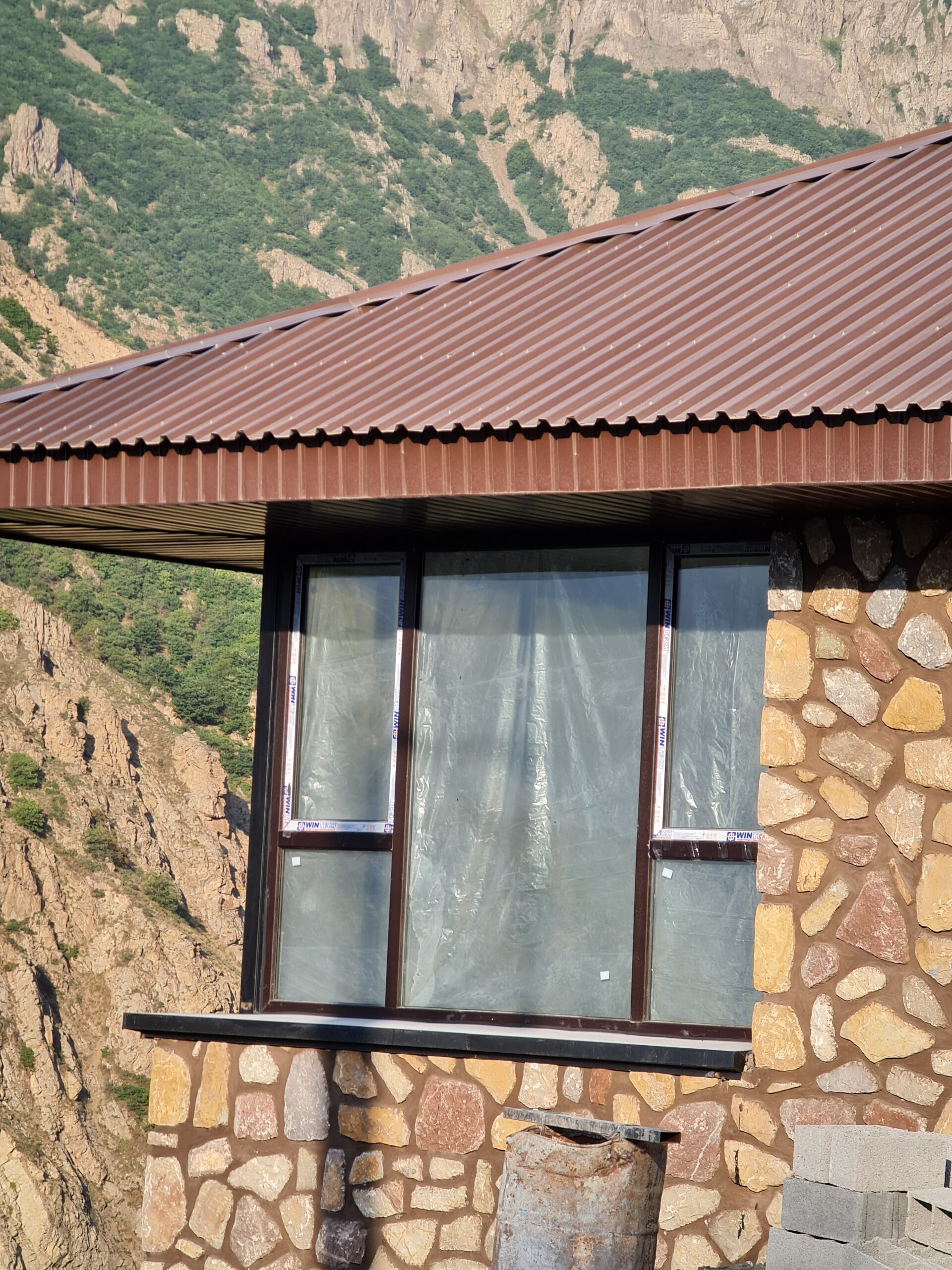
As mentioned, the village is situated in a mountainous region, and for road infrastructure, tunnel construction, and landslide prevention, they commonly use shale stones. Inquiry with road construction contractors revealed two types of stones used in the region, one in green tonalite and the other in red and yellow tonalite. Green tonalite is easier to carve but absorbs a considerable amount of water, making it susceptible to erosion and flaking. On the other hand, the coffee-colored stone is very sturdy and has minimal water absorption. Considering the soil color and local stones’ strength, it was decided to use coffee-colored malone stone.
To prevent land sliding, walls with a width of two meters, made of shale stones, were arranged in four tiers. Constructing the external walls of the building involved hand carving each stone by the builders, which contributed to the formation of the primary structure, taking approximately three years.
Considering the beautiful landscape of the site, including the Chalous road, mountains, and the Siah Bisheh dam lake, large windows were used, and triple-glazed windows were employed to reduce heat transfer. To increase thermal insulation and harmonize the building with nature, a final dark brown roof was used.
|Architect: Moein Pouretemad
|Project and implementation manager: Moein Pouretemad
|supervisor: Moein Pouretemad, Abedin Radayi
|Modeling: Moein Pouretemad
|Graphics: Moein Pouretemad
|Location: Ferydoon Kenar, Mazandaran, Iran.
|Employer: Mr. H. Pouretmad
|Project date: Under Construction